The stack, surface by surface.
Records from Ktema Systems: the demonstrations that show the stack running, and the measurements that say what a run cost.
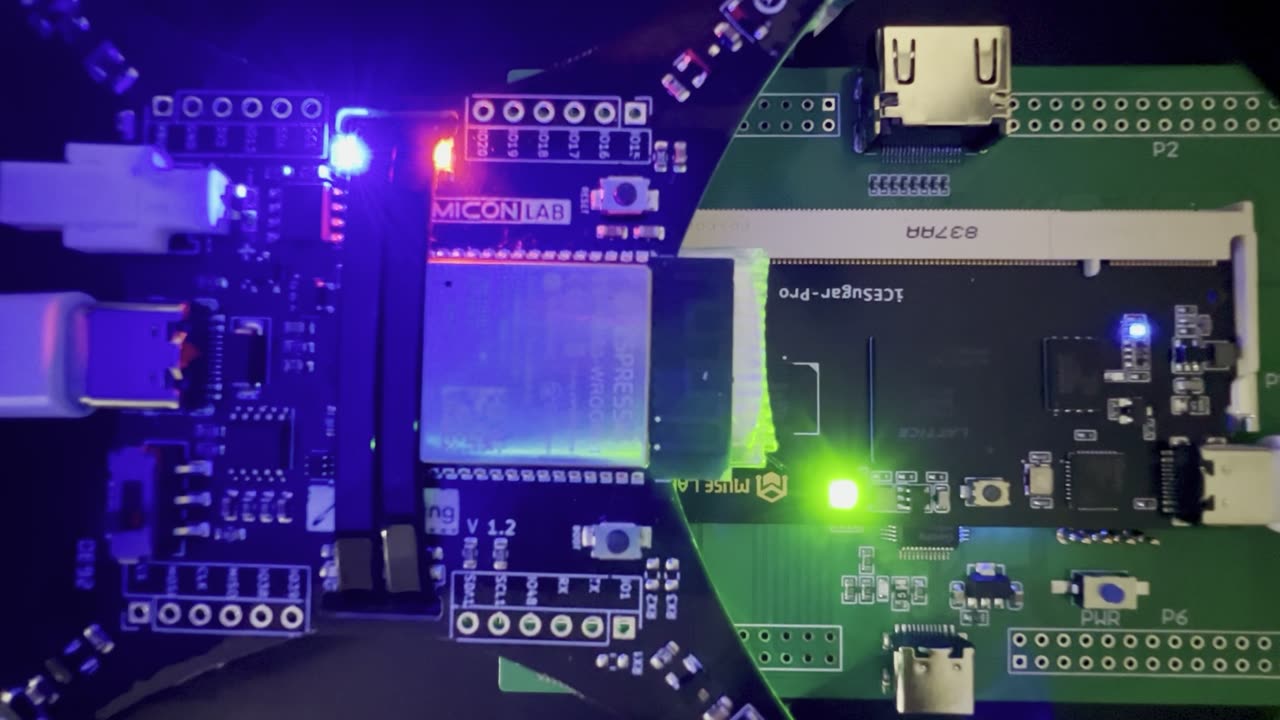 demoOne record set, two readers, one power cutAn engine on a part with no operating system keeps the record of what the machine did, a second reader with nothing but the data recomputes it, and the set is read again after the power is cut. The address comes from the record’s own fields, so there is no index to build and the audit needs no network.
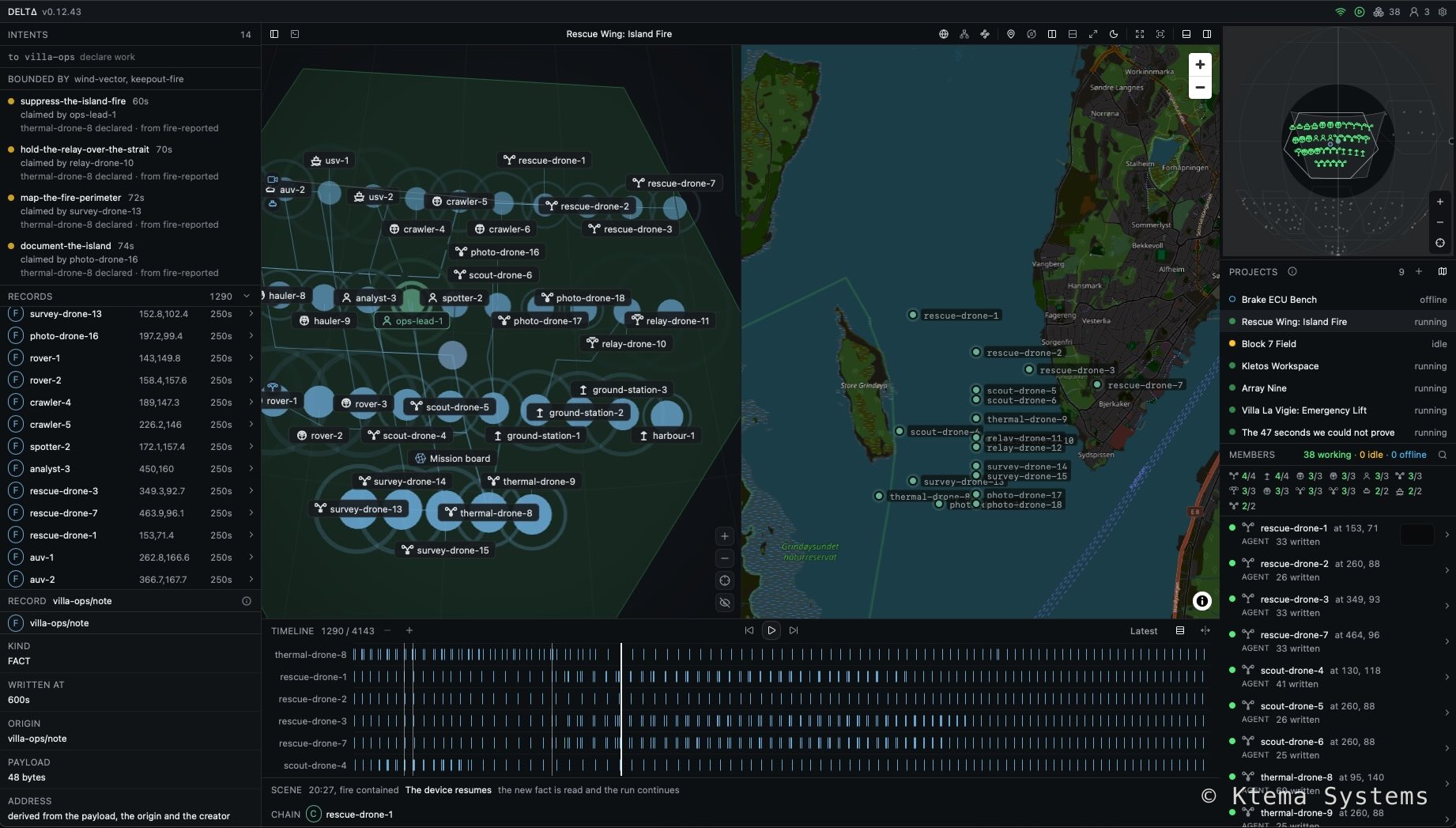 demoFleet operationsThe cockpit for a working fleet: intents and records on the left, the cell in the middle, the ground on the right, the timeline below. Ten scenes, opening on a factory cell in Penang. Read-only, on mock data.
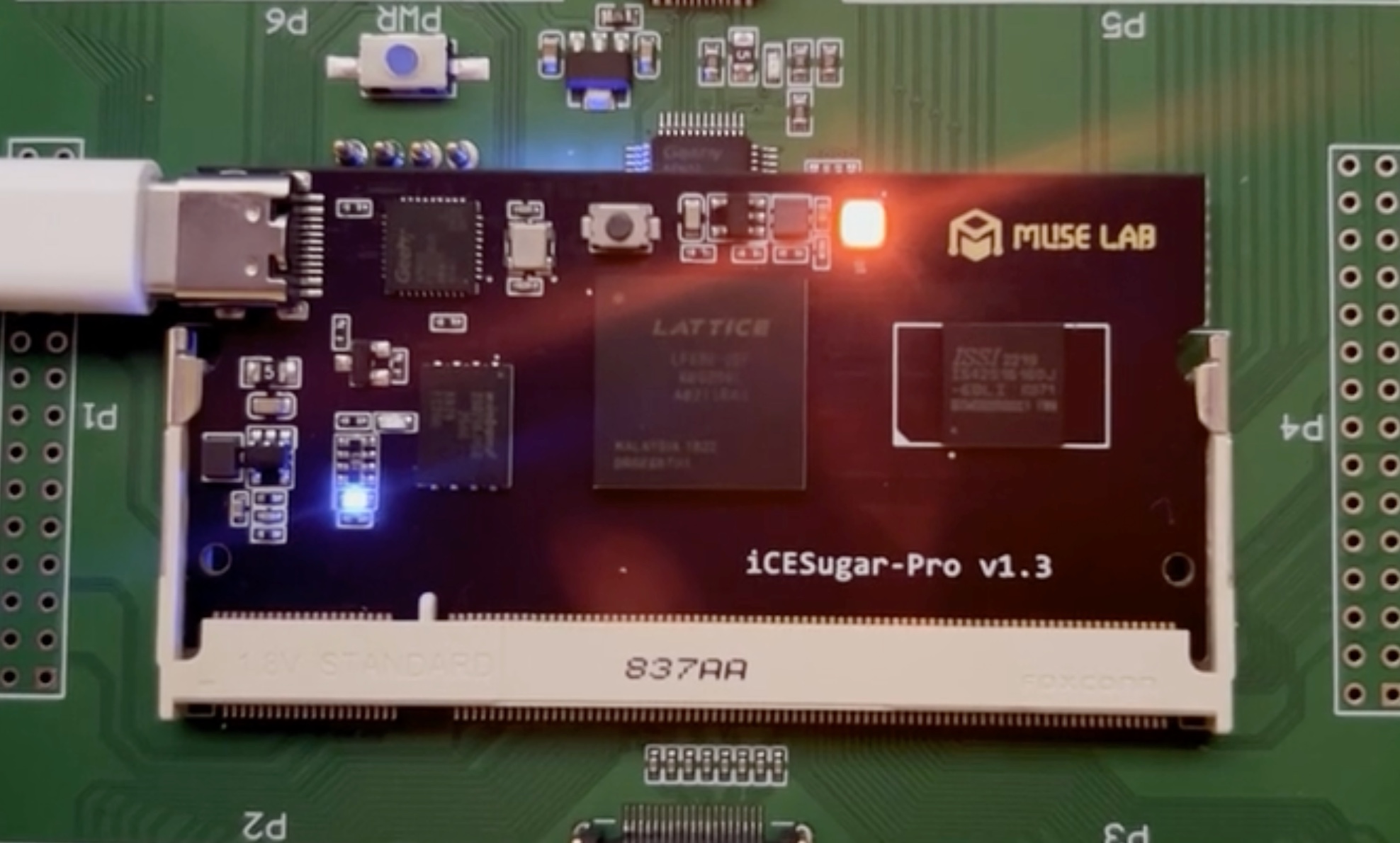 demoThe red light on a wrong valueWhat a system measured, what happened, and what an audit asks later all resolve at one address, without a search. The read costs the same at 64 records and at 3,601. The same run hands 512 of those addresses to an FPGA: one value changed turns the light red, and the passing set is recomputed by an arithmetic the host does not share.
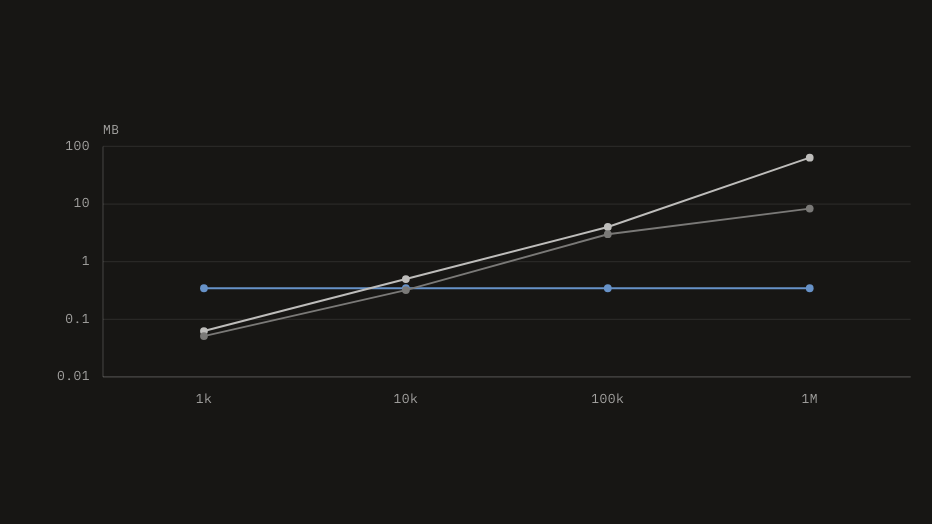 benchMeasurementsThree stores over one workload, from a thousand records to a million: bytes on the medium, the volume, the open, a point read, and the index each one has to hold.
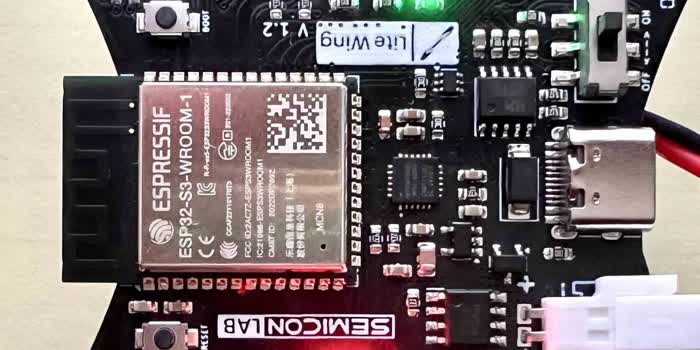 demoOne node, any scaleThe smallest host in the claim: a microcontroller with no operating system, 8 MB of flash and 64 kB of working memory, writing a record that survives a reset. The same build runs on every host above it, and a deployment can be a field of these nodes.
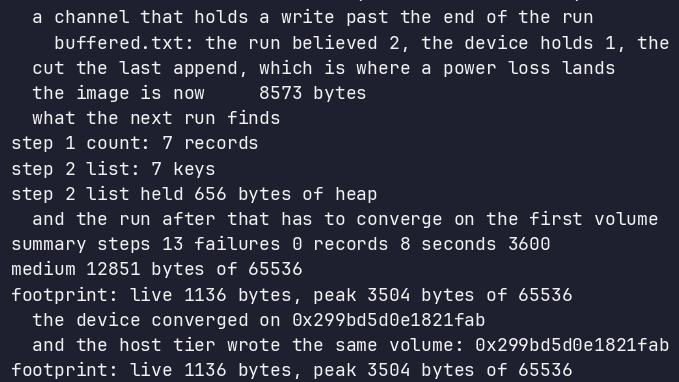 demoHeadless runsMost of what we build is infrastructure, with no front end to open. The demonstration is the execution itself, recorded in a terminal: a device and the host writing the same bytes, a power cut at every byte, and one C surface on two architectures.
- demoOne record set, two readers, one power cutAn engine on a part with no operating system keeps the record of what the machine did, a second reader with nothing but the data recomputes it, and the set is read again after the power is cut. The address comes from the record’s own fields, so there is no index to build and the audit needs no network.
- demoFleet operationsThe cockpit for a working fleet: intents and records on the left, the cell in the middle, the ground on the right, the timeline below. Ten scenes, opening on a factory cell in Penang. Read-only, on mock data.
- demoThe red light on a wrong valueWhat a system measured, what happened, and what an audit asks later all resolve at one address, without a search. The read costs the same at 64 records and at 3,601. The same run hands 512 of those addresses to an FPGA: one value changed turns the light red, and the passing set is recomputed by an arithmetic the host does not share.
- benchMeasurementsThree stores over one workload, from a thousand records to a million: bytes on the medium, the volume, the open, a point read, and the index each one has to hold.
- demoOne node, any scaleThe smallest host in the claim: a microcontroller with no operating system, 8 MB of flash and 64 kB of working memory, writing a record that survives a reset. The same build runs on every host above it, and a deployment can be a field of these nodes.
- demoHeadless runsMost of what we build is infrastructure, with no front end to open. The demonstration is the execution itself, recorded in a terminal: a device and the host writing the same bytes, a power cut at every byte, and one C surface on two architectures.
Further demonstrations
Stated and not yet recorded. Each one names its purpose, procedure, preconditions, deliverable and verification, so what it will establish is on the page before a run exists. What the program establishes.
- Cold boot on the partThe LiteWing on the bench, switched on with nothing recorded, taking the record of a flight into its own flash and showing what the next boot reads.
- The medium read off the deviceThe partition a device wrote is dumped and opened on a host, so a reader needs the medium rather than the device or a network.
- Payload verification at the call siteThe check a reader makes instead of trusting the writer, taken on a host where a byte can be changed and the answer compared.
- Reclaiming a full volumeA device that never stops recording runs out of slot rather than time: the newest record is kept, the oldest is retired, and the boundary is read rather than discovered.
- Address derivation in gatesThe die stops checking values a host computed and derives the address itself, so the fabric is a second implementation of the address form rather than a checker of the host’s answer.
- The release that checks itselfWhat a firmware team is handed: a header, a library per target, the specification, and an example that links and exits zero.
- Integration with a shipped RTOSThe same engine as a member of an RTOS build, for a team whose product already has one.
- The medium contract at a kernel boundaryThe seam written down rather than a port attempted: what a certified layer must hand over for the record to hold above it.
- The walk, recorded end to endA walking robot as the room a device answers in: every step, sensor reading and phone reach recorded at one address.
- plannedCold boot on the partThe LiteWing on the bench, switched on with nothing recorded, taking the record of a flight into its own flash and showing what the next boot reads.
- plannedThe medium read off the deviceThe partition a device wrote is dumped and opened on a host, so a reader needs the medium rather than the device or a network.
- plannedPayload verification at the call siteThe check a reader makes instead of trusting the writer, taken on a host where a byte can be changed and the answer compared.
- plannedReclaiming a full volumeA device that never stops recording runs out of slot rather than time: the newest record is kept, the oldest is retired, and the boundary is read rather than discovered.
- plannedAddress derivation in gatesThe die stops checking values a host computed and derives the address itself, so the fabric is a second implementation of the address form rather than a checker of the host’s answer.
- plannedThe release that checks itselfWhat a firmware team is handed: a header, a library per target, the specification, and an example that links and exits zero.
- plannedIntegration with a shipped RTOSThe same engine as a member of an RTOS build, for a team whose product already has one.
- plannedThe medium contract at a kernel boundaryThe seam written down rather than a port attempted: what a certified layer must hand over for the record to hold above it.
- plannedThe walk, recorded end to endA walking robot as the room a device answers in: every step, sensor reading and phone reach recorded at one address.